Customer:
ANSALDO STS
Site:
Naples, Italy
Project title:
Monitoring of vibration levels ex UNI 9916
Year:
2015
Tags:
SHM, Vibration
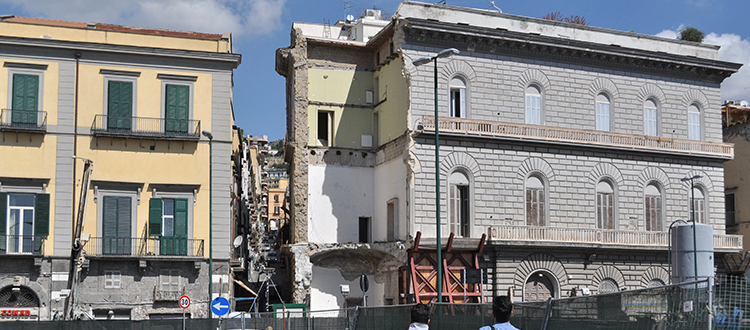
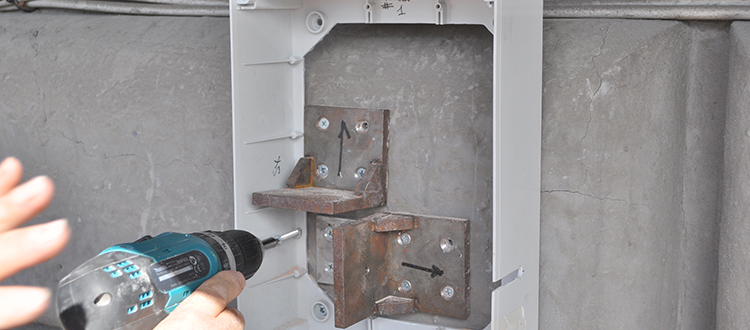
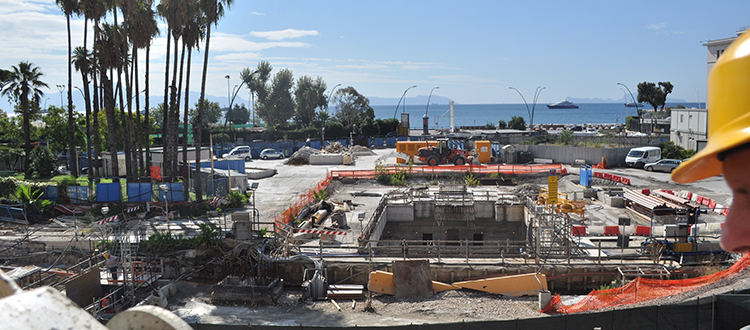
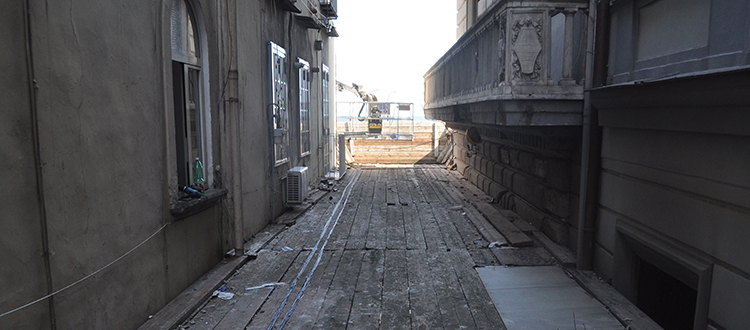
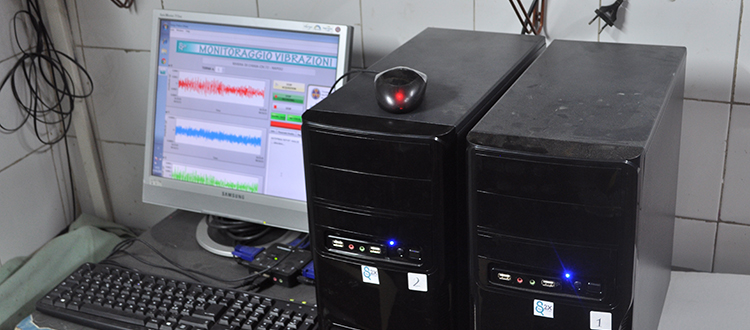
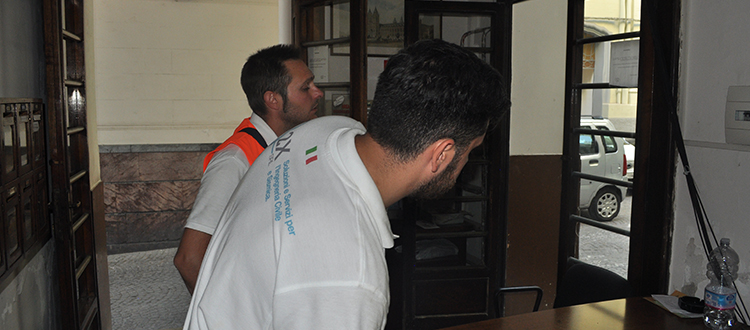
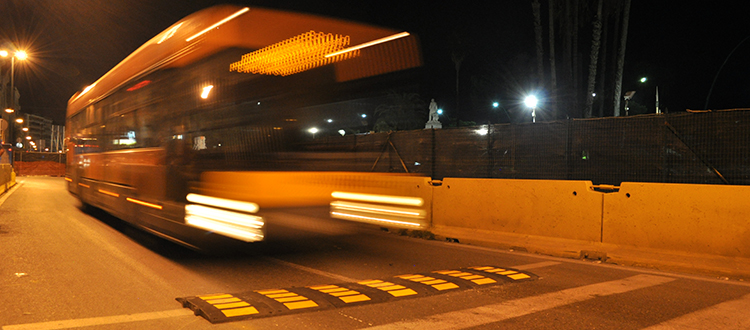
On the occasion of this interesting project, S2X developed, installed, and managed continuous vibration monitoring systems for three buildings located in Naples, along Riviera di Chiaia, which were affected by the construction works for the new metro line. The monitoring, which lasted approximately two months, aimed to assess the effects of vibrations induced on these buildings under operating conditions caused by the nearby construction site and city traffic.
In general, vibration sources can, in certain cases, influence the structural response of the buildings under investigation and cause disturbance or concern for the occupants. This highlights the need to assess vibration levels over an extended period. The characteristics of vibrations affecting a building can vary significantly depending on the nature of the excitation source and the dynamic properties of the building itself. According to the UNI 9916 standard, based on the duration of the vibration, a building’s response is classified as continuous if the excitation is present without interruption for long periods (e.g., vehicular traffic, operational activities, etc.), or transient when the excitation consists of a force of limited duration. A proper description of the observed phenomenon requires measuring multiple quantities, such as the components of the kinematic vector or their values at different locations within the structure.

In the case under examination, the measurement system developed made it possible to simultaneously acquire the various signals related to a given building through acceleration values measured at selected monitoring points, thereby preserving information on phase relationships.
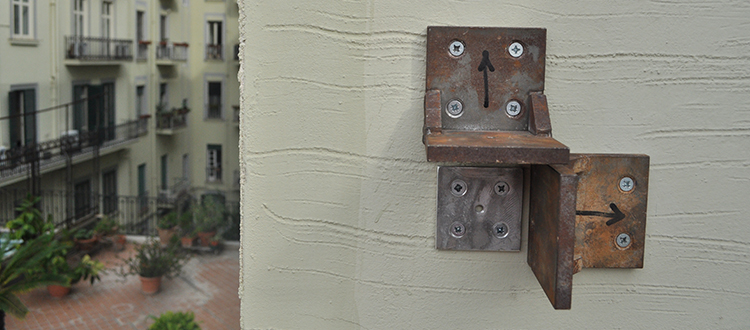
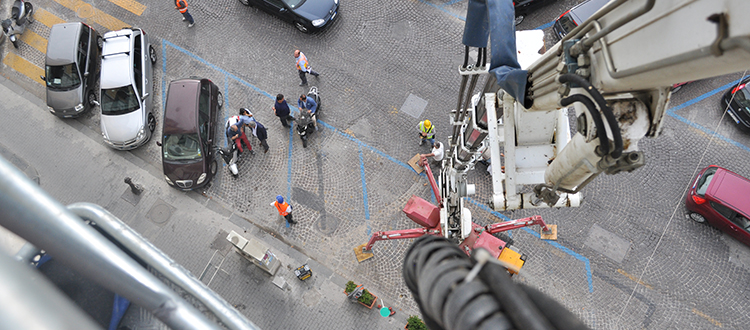
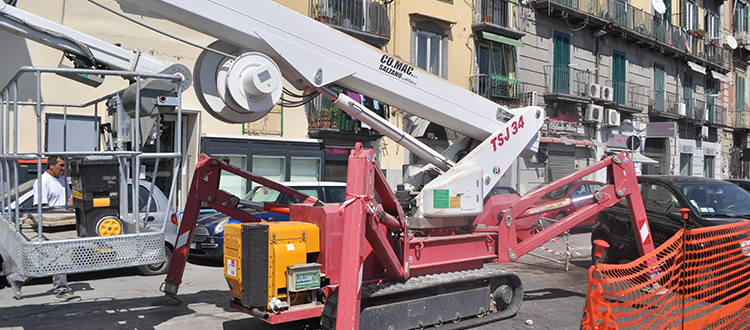
Two of the three monitored buildings were masonry structures, while the third had a mixed structural system. All three buildings faced the main street where the construction site was located. To assess vibration levels, the structural response was measured using three sets of sensors, installed according to the Client’s instructions at increasing heights along the vertical development of the buildings on their respective facades. In total, each building analyzed was equipped with nine accelerometers, arranged to form three sets aligned along a single vertical line.

The structural response in terms of accelerations of the monitored buildings was acquired and stored locally in .txt files. For each building, the measured signals were synchronized with one another. The acquisition system was managed using the S2-DDA software. Once acquired, the data were preprocessed and analyzed by identifying the velocity peaks. The monitoring results were compared with the limits set by the relevant standards, also taking into account the building class, which in this case was Class 2 for all buildings. Therefore, the reference limit for the velocity component peaks was 5 mm/s.
The vibration level analysis described above can be easily performed using S2-VIB software. Its user-friendly interface allows step-by-step guidance through the procedures required by the standard, up to the comparison of the analysis results with the limits established by the selected standard, in this case UNI 9916. Furthermore, the software enables exporting the analysis results in .csv or .xls format for inclusion in the investigation report.
To learn more:
Brandonisio G., De Luca A., Mautone L. (2017). Monitoring of the Vibrations of the Buildings on Via Riviera di Chiaia in Naples. In: Proceedings of the 4th Forensic Engineering Conference IF CRASC ’17, Milan, Italy, September 14–16.